Broadview's Quiet Repricing: How the 130th Street Link Station, Aurora, and New ADU Rules Are Splitting the Map
July 16, 2026
July 16, 2026
Broadview looks like a single market on the portals. One median price, one days-on-market number, one tidy year-over-year change. Buyers comparing north Seattle neighborhoods scan those figures and move on.
That single number is hiding the more interesting story. Three specific changes landing between 2025 and 2026 are pulling Broadview's eastern edge and its Carkeek-facing western blocks in different directions, and the same headline median can now describe two very different transactions.
Over the last twelve months, the median sale price in Broadview sits near $1.12 million, up about 3% year over year, with homes leaving the market in roughly 22 days against a national average closer to 55. That is a competitive but not frenzied picture, and it reads as continuity.
The composition underneath is where the movement lives. Three forces, each with a clear timeline, are changing what a buyer is actually paying for.
The thesis in one line: Broadview's east side is repricing on access, its west side is repricing on scarcity, and Seattle's new ADU envelope is quietly rewriting the underwriting on both.
Sound Transit's infill station at NE 130th Street is scheduled to open in 2026, sitting just east of Broadview across I-5. For a neighborhood whose commute story has always been "Aurora buses or drive to Northgate," a one-seat light rail ride to downtown, UW, SeaTac, and eventually Lynnwood and the Eastside is a structural shift, not a marketing bullet.
The pricing consequence is directional. Homes within an easy walk or short bike from 130th, generally the blocks east of 3rd Ave NW and north of 125th, are gaining a commute option that comparable homes half a mile west will not fully share. That is the kind of small geographic split that shows up first in bidding behavior and only later in the median.
For a buyer, the practical question is not "does Broadview have transit." It is which side of the neighborhood a specific address falls on, and how walkable the actual route to the station is once the sidewalks and pedestrian improvements around 130th are built out.
The commercial spine along Aurora Avenue N has spent years as a mix of older motels, auto lots, and chain retail. That mix is changing. An Amazon Fresh has opened at 13201 Aurora Ave N, and Costco has filed plans for a new store on Aurora, both within a short drive of most Broadview addresses. The city is also convening an advisory group on Aurora Ave N safety and sustainability improvements, with meetings beginning July 2026.
Two things follow from that. First, day-to-day errand density is climbing on the corridor that Broadview residents already use, which pulls value toward the eastern blocks that back up to it. Second, Aurora's long-running reputation as a corridor to tolerate rather than enjoy is being tested by both retail investment and a public safety planning process, and buyers underwriting a ten-year hold should price that trajectory rather than the current street.
On June 30, 2025, Seattle's revised accessory dwelling unit rules took effect, consolidated in SMC 23.42.022. The standards are now consistent across residential zones and materially more permissive than the prior framework. Highlights that matter for Broadview:
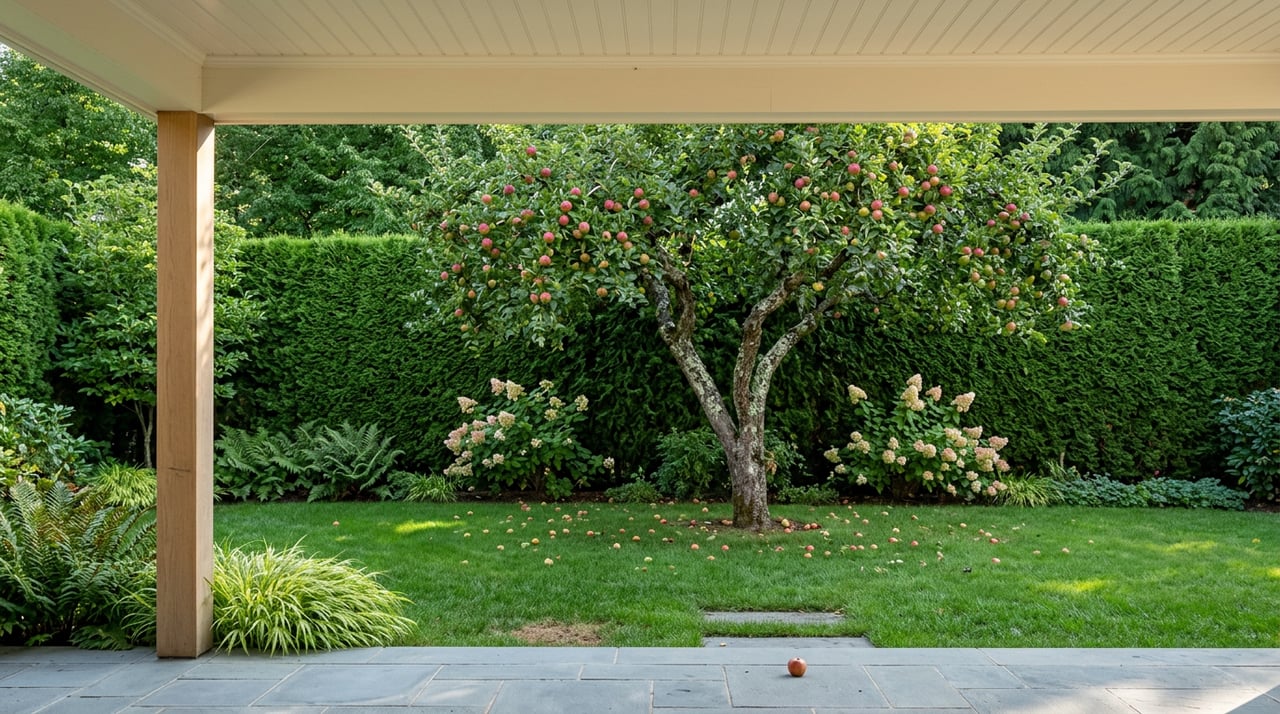
Broadview is dominated by generous single-family lots, many of them mid-century ranchers on parcels large enough to comfortably absorb a detached 1,000-square-foot unit without disturbing the mature landscaping the neighborhood is known for. The new envelope means a buyer looking at an $1.1M rambler is no longer choosing between "live in it" and "tear it down." A third path, keep the primary and add income or family space, is now genuinely on the table under a clear code section.
The Broadview median flattens two very different offerings. A useful way for a mid-market buyer to think about it:
| Sub-pocket | Typical inventory | What the price reflects |
|---|---|---|
| East of 3rd Ave NW, closer to Aurora and future 130th station | Three-bedroom ranchers and updated mid-century homes starting near $800K | Improving transit access, Aurora retail investment, ADU-friendly lots |
| Wooded blocks near Carkeek Park and Blue Ridge edge | Single-family homes in the low seven figures, waterfront and view properties from roughly $2M to $10M | Scarcity, Puget Sound and Olympic views, quiet forested streets |
| Interior blocks between the two | Craftsman, mid-century, and Pacific Northwest contemporary in the $1M to $1.5M range | Lot size, tree cover, walkability to Carkeek trails |
The east-side pocket is where the near-term catalysts concentrate. The west side sells on something that cannot be manufactured: proximity to Carkeek Park's 216 acres, six miles of trails, Piper's Orchard, and the salmon-bearing Pipers Creek watershed. Those two stories should not carry the same comps in an appraisal, and increasingly they will not.
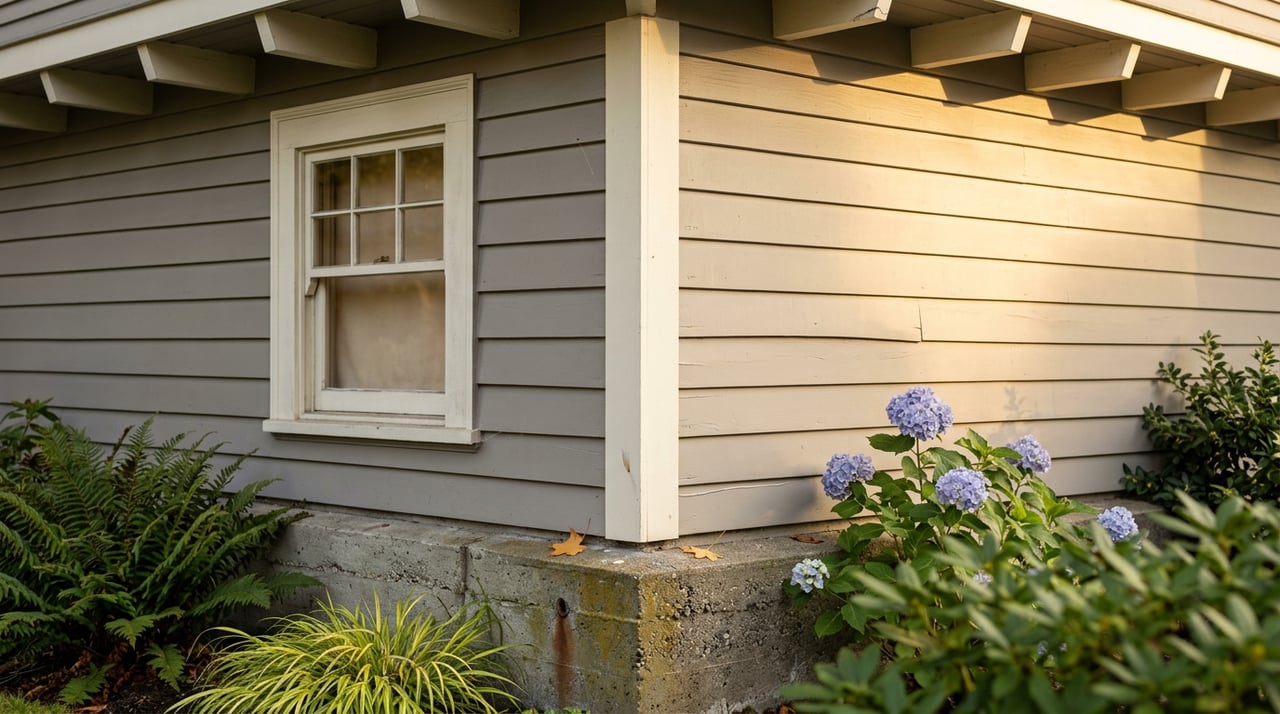
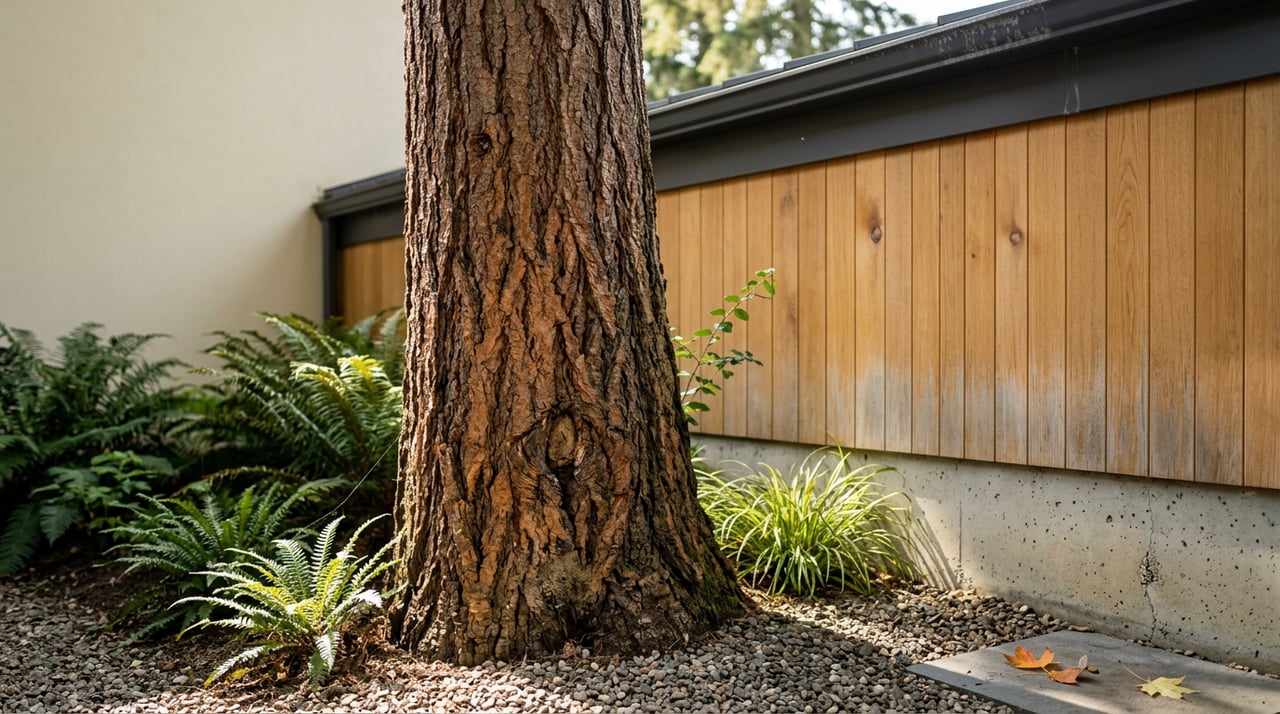
The neighborhood has a handful of specific quirks that surface during inspection and offer negotiation. They are worth pricing in before writing an offer.
A buyer treating Broadview as one market will overpay for the wrong lot and underpay for the right one. The practical translation of the three levers:
Sellers face the mirror image. A well-prepared listing on the east side should reference the 130th station timeline and the Aurora corridor changes directly, because the buyer pool is expanding to include people who would previously have looked at Northgate or Green Lake. A west-side listing should lean into what the median cannot capture: the specific view, the specific trees, the specific walk to the park.
Does the 130th Street station actually serve Broadview, or is it really a Pinehurst and Haller Lake station? It is closest to Pinehurst and Haller Lake, but it is walkable or a short bus ride from the eastern portion of Broadview. The value effect on Broadview will be strongest for addresses east of 3rd Ave NW.
Will the new ADU rules increase density enough to change neighborhood character? The rules allow up to two ADUs per lot in addition to the primary home. Actual uptake will be limited by lot size, slope, tree canopy, and construction cost. Broadview's larger lots make thoughtful additions easier to absorb than in denser neighborhoods.
Is Aurora Avenue's transformation a done deal? No. The retail additions are concrete, and a city advisory group on Aurora safety and sustainability begins meeting in July 2026. The corridor's near-term trajectory is clearer than its ten-year finish, and buyers should underwrite the direction, not the destination.
Broadview rewards buyers and sellers who read the neighborhood at the block level rather than the headline level. If you are weighing a move into or out of Broadview and want a straight read on how these three shifts affect a specific address, Brooke Davis is glad to walk the streets and the numbers with you. Let's connect.
Her passion is helping clients achieve their homeownership goals, from a home seller looking to upgrade or relocate to a first-time buyer and a seasoned investor looking to build their financial portfolio. Brooke will guide and advocate for you through the entire process from beginning to end. Contact her today!